Does Window Tint Really Reduce Interior Heat? What Drivers Should Know
This is a subtitle for your new post
One of the most common reasons people consider window tint is heat. Anyone who has opened the door to a car that has been sitting in the sun understands how uncomfortable the interior can become. Steering wheels get hot enough to burn your hands, seats become nearly unusable, and the air inside feels trapped and heavy. Because of this experience, drivers often ask a simple question: does window tint actually reduce heat, or is it mostly cosmetic? The answer is that high quality window tint can make a noticeable difference in interior temperature, but the level of performance depends heavily on the type of film used.
Many drivers assume that darker tint automatically means better heat protection, but that is not necessarily true. Traditional dyed films mainly reduce visible light and glare, which helps with brightness but does not do much to stop infrared heat from entering the cabin. Modern ceramic window films are engineered differently. They are designed to reject the portion of sunlight responsible for heat buildup, making them far more effective at keeping the interior comfortable during hot days.
Where Interior Heat Actually Comes From
To understand how window tint reduces heat, it helps to understand where that heat comes from in the first place. Sunlight is made up of several types of energy, including visible light, ultraviolet radiation, and infrared heat. The infrared portion is what causes surfaces inside the car to warm up quickly when the vehicle is parked in direct sunlight. Once those surfaces absorb heat, they radiate it back into the cabin, which is why the interior continues to feel hot even after the sun is no longer directly hitting the vehicle.
Glass allows a large amount of this solar energy to pass through, especially on vehicles with large windshields and expansive side windows. Without protection, that energy enters the cabin and becomes trapped, creating the greenhouse effect that makes parked cars so uncomfortable. Window tint works by filtering and reflecting part of that solar energy before it enters the vehicle. The more advanced the film technology, the more heat it can reject.
Why Ceramic Window Tint Performs Better
Ceramic window tint has become the preferred option for drivers who want meaningful heat reduction. Instead of relying on dye or metal, ceramic films contain microscopic ceramic particles designed to block infrared radiation. These particles absorb and disperse heat before it reaches the interior surfaces of the vehicle. Because of this technology, ceramic tint can reject significantly more heat than standard films while maintaining excellent visibility.
Another advantage of ceramic tint is that it does not interfere with electronic signals. Older metallic films could affect radio reception, GPS signals, and mobile connectivity. Ceramic materials avoid these issues entirely while still delivering superior performance. This combination of heat rejection, clarity, and signal friendliness is why ceramic tint has become the premium standard for modern vehicles.
What Drivers Actually Notice After Tint Installation
The real value of window tint becomes apparent the first time you return to your car after it has been parked in the sun. While the interior may still feel warm, the temperature is noticeably more manageable compared to untinted glass. The steering wheel, dashboard, and seats do not absorb as much heat, which makes the vehicle far more comfortable when you first get inside. Air conditioning systems also work more efficiently because they are not trying to cool an extremely overheated cabin.
Drivers often report that long commutes become more comfortable because sunlight no longer feels as intense through the windows. The reduced heat load also helps maintain a more consistent interior temperature while driving. Over time, these small improvements add up to a much better daily driving experience.
Heat Reduction Is Only One Benefit
Although heat rejection is a major reason people choose ceramic tint, it is not the only advantage. Quality window film also blocks a significant portion of harmful ultraviolet radiation, which helps protect leather seats, dashboards, and interior trim from fading or cracking. Glare reduction is another benefit that improves visibility during early morning and late afternoon driving. Many drivers also appreciate the added privacy and the refined appearance that professional tint provides.
Because these benefits work together, window tint becomes more than just a comfort upgrade. It becomes part of a broader strategy for preserving the condition of the vehicle and improving the driving experience every day.
Why Professional Installation Matters
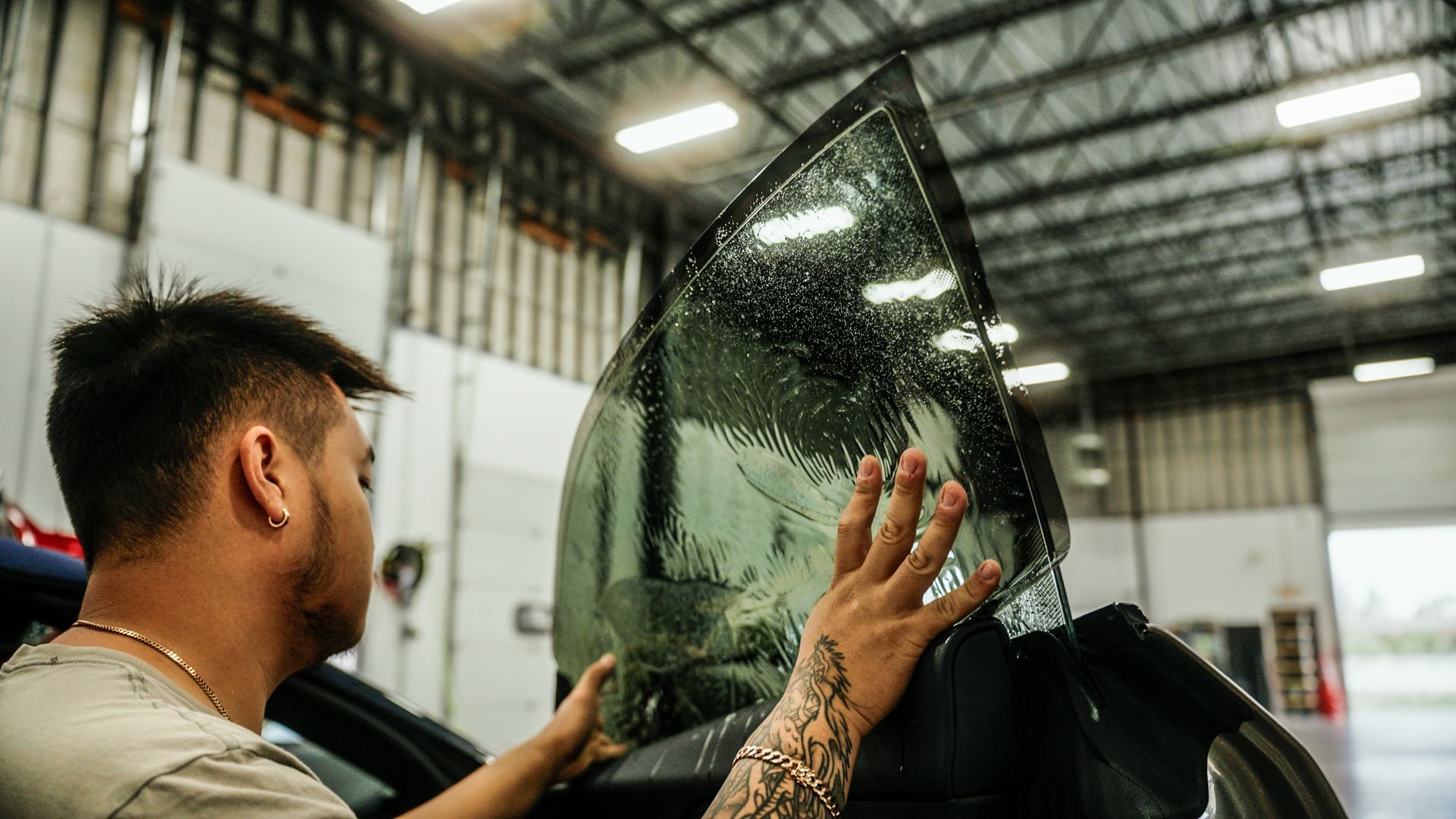
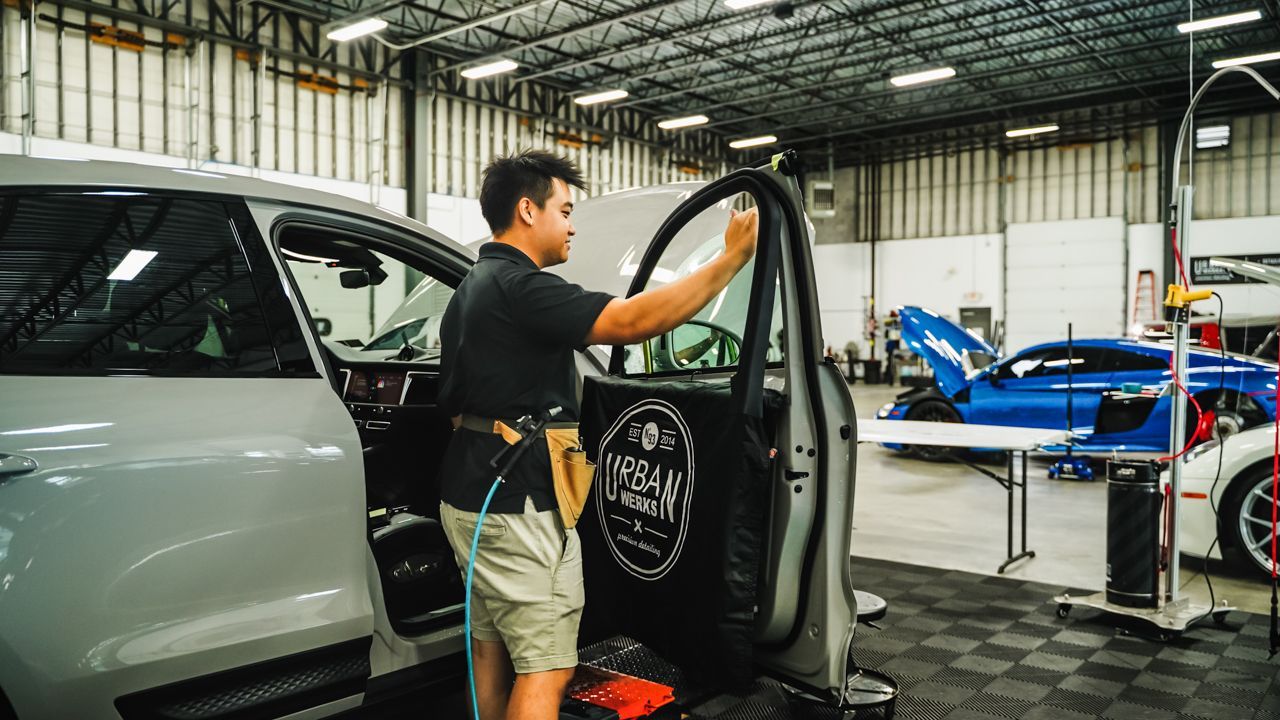
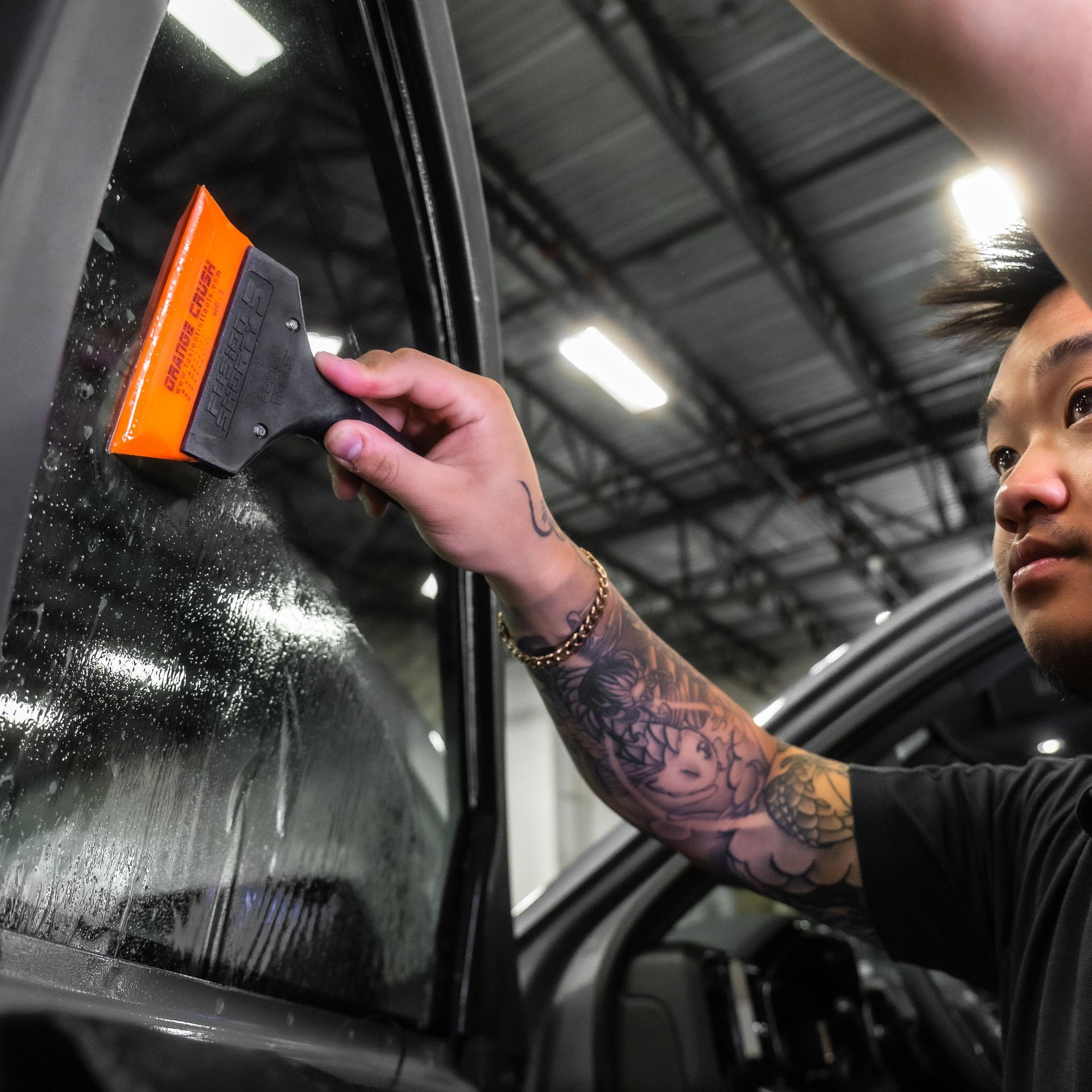
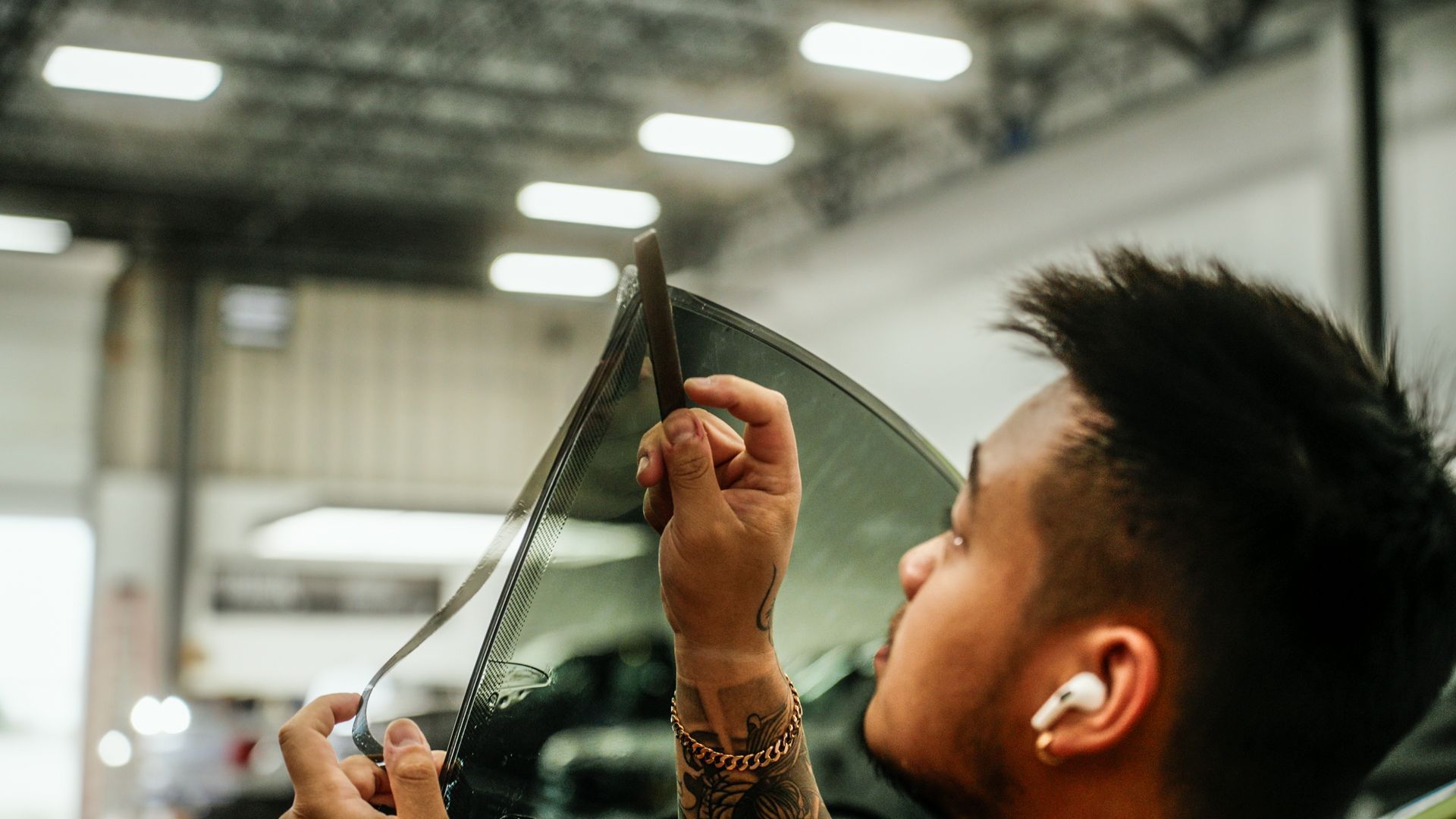
Even the best window film will not perform correctly if it is installed poorly. Proper installation requires careful cleaning of the glass, precise cutting of the film, and controlled application to prevent contamination or visible imperfections. When tint is applied incorrectly, issues such as bubbling, peeling, or uneven edges can develop over time. These problems reduce both the appearance and effectiveness of the film.
At Urban Werks, we install Llumar Formula One window films, including Classic, Pinnacle ceramic, and Stratos ceramic plus options. Each film offers different levels of heat rejection and performance, allowing drivers to choose the solution that fits their needs. Professional installation ensures the film performs exactly as designed while maintaining a clean, factory quality appearance.
The Bottom Line
Yes, window tint can reduce interior heat, but the level of improvement depends on the technology behind the film. Basic tint primarily reduces brightness, while ceramic tint actively rejects infrared heat that would otherwise build up inside the vehicle. For drivers who spend significant time commuting or parking outdoors, the difference in comfort becomes immediately noticeable. Combined with ultraviolet protection, glare reduction, and interior preservation, ceramic window tint delivers benefits that go far beyond appearance. When installed with premium materials and proper technique, it becomes one of the most practical upgrades available for modern vehicles.
Urban Werks | Lancaster, Pennsylvania
Precision. Protection. Passion.